
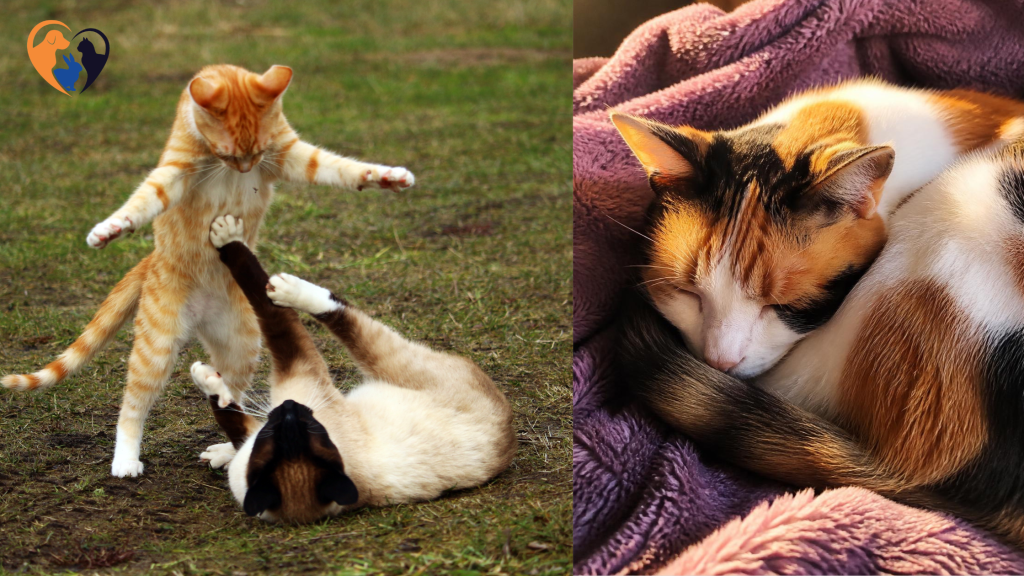
Cat Stress Relief Cats can become stressed by changes in their environment, loud noises, new pets, or unfamiliar people. Stress can affect both their behavior and health, making it important to recognize the signs early. The good news is that a few simple changes can help your cat feel calm, safe, and secure.
Here’s how to reduce stress and keep your cat happy.
1. Recognize the Signs of Stress
A stressed cat may show changes in behavior.
Common signs include:
- Hiding more than usual
- Excessive grooming
- Loss of appetite
- Aggression or irritability
- Frequent meowing
- Avoiding the litter box
If these behaviors continue, your cat may be experiencing stress.
2. Create a Safe Space
Every cat needs a quiet place where they can relax.
Provide:
- A cozy bed
- A covered hiding spot
- A cat tree or elevated perch
- A quiet room away from noise
Giving your cat a secure space helps them feel protected.
3. Keep a Consistent Routine
Cats thrive on routine.
Try to:
- Feed them at the same time each day.
- Keep playtime consistent.
- Clean the litter box daily.
- Avoid sudden changes to their environment whenever possible.
A predictable routine helps reduce anxiety.
4. Provide Daily Play and Enrichment
Interactive play helps relieve stress and prevents boredom.
Use toys such as:
- Feather wands
- Balls
- Puzzle feeders
- Catnip toys
Spend at least 15–20 minutes playing with your cat each day.
5. Use Positive Reinforcement
Reward calm and confident behavior with treats, praise, or gentle petting.
Never punish a frightened or anxious cat, as this can increase their stress and damage trust.
Key Takeaways
- Watch for signs of stress such as hiding, over-grooming, and appetite changes.
- Create a quiet, comfortable space for your cat.
- Maintain a consistent daily routine.
- Provide interactive play and mental stimulation.
- Reward positive behavior with treats and affection.
Reducing stress helps your cat stay healthier, happier, and more confident.
FAQs
What causes stress in cats?
Common causes include moving to a new home, loud noises, changes in routine, new pets, unfamiliar visitors, and lack of mental stimulation.
How long does it take for a stressed cat to relax?
Some cats recover within a few days, while others may need several weeks, depending on the cause of the stress.
Can stress make my cat sick?
Yes. Long-term stress can contribute to behavior problems and may affect your cat’s overall health. If symptoms persist, consult your veterinarian.
Summary
Helping your cat manage stress starts with understanding their needs. A safe environment, regular routine, daily play, and positive interactions can make a big difference. With patience and consistency, you can help your cat feel secure and enjoy a calmer, happier life.
Discover more from Parhley
Subscribe to get the latest posts sent to your email.

The atmosphere here is just different, feels like a real casino from my living room. Super satisfied with cg777casino.