How to Stop Puppy Biting Puppy biting is a normal part of growing up, but it’s important to teach your puppy good manners from the start. Puppies bite while teething, playing, and exploring their surroundings. With consistent training and patience, you can help them learn that hands and clothing are not chew toys.
Here’s how to stop puppy biting using positive, effective methods.
1. Understand Why Puppies Bite
Most puppies aren’t being aggressive—they’re learning about the world.
Common reasons include:
- Teething discomfort
- Playfulness
- Excitement
- Curiosity
- Seeking attention
Knowing the reason behind the biting makes it easier to respond appropriately.
2. Redirect Biting to Toys
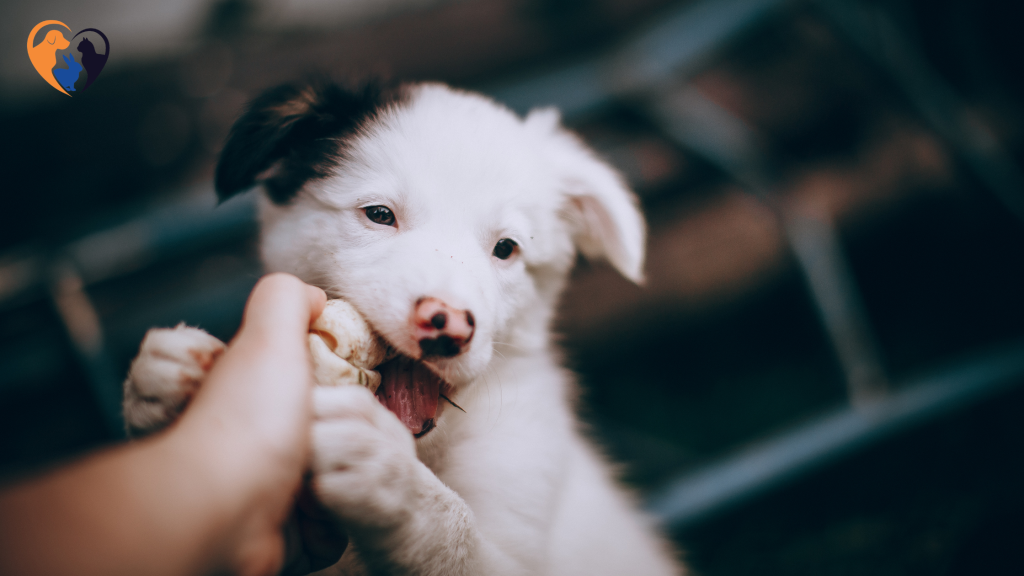
Whenever your puppy bites your hands or clothes, calmly replace them with a chew toy.
Offer:
- Rubber chew toys
- Teething rings
- Durable puppy-safe chews
Praise your puppy when they choose the toy instead of your hand.
3. Stop Play When Biting Gets Too Hard
If your puppy bites during play:
- Say “Ouch!” or remain quiet.
- End the game for 20–30 seconds.
- Resume play once they’re calm.
Your puppy will learn that biting makes the fun stop.
4. Reward Gentle Behavior
Positive reinforcement works best.
Give treats and praise when your puppy:
- Plays gently
- Licks instead of bites
- Follows commands
- Stays calm around people
Dogs repeat behaviors that earn rewards.
5. Make Sure Your Puppy Gets Enough Exercise
Puppies with too much energy are more likely to bite.
Provide:
- Daily walks (age-appropriate)
- Training sessions
- Interactive games
- Plenty of naps
A tired puppy is usually much calmer.
Key Takeaways
- Puppy biting is a normal developmental stage.
- Redirect biting to appropriate chew toys.
- Stop play immediately after hard bites.
- Reward calm and gentle behavior.
- Exercise and mental stimulation reduce unwanted biting.
With consistency and patience, most puppies naturally outgrow biting as they mature.
FAQs
At what age do puppies stop biting?
Most puppies stop frequent biting between 4 and 7 months as teething ends and training progresses.
Should I punish my puppy for biting?
No. Harsh punishment can create fear and confusion. Positive reinforcement is much more effective.
Is puppy biting ever a sign of aggression?
In most cases, no. However, if the biting is severe, persistent, or accompanied by growling and guarding behavior, consult a veterinarian or certified dog trainer.
Discover more from Parhley
Subscribe to get the latest posts sent to your email.